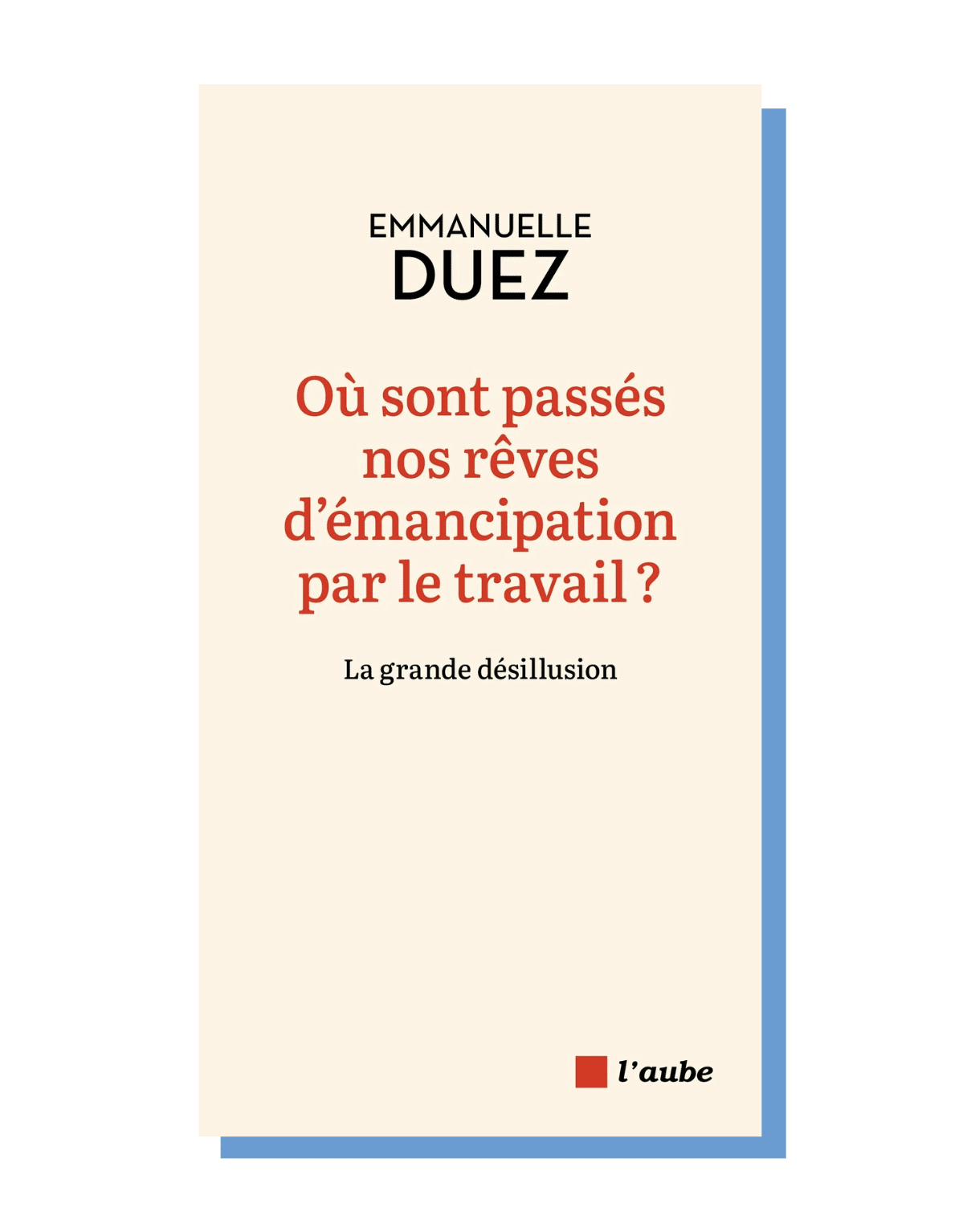
𝗪𝗵𝗲𝗿𝗲 𝗗𝗶𝗱 𝗢𝘂𝗿 𝗗𝗿𝗲𝗮𝗺𝘀 𝗼𝗳 𝗪𝗼𝗿𝗸 𝗮𝘀 𝗘𝗺𝗮𝗻𝗰𝗶𝗽𝗮𝘁𝗶𝗼𝗻 𝗚𝗼?
That is the question Emmanuelle Duez poses in her latest essay, and it’s the right one. Her analysis centers on workplace engagement, as defined by the 2025 Gallup study. The numbers are stark: France sits at 7%, second-to-last among 38 countries surveyed. At 31%, U.S. engagement remains among the highest in the world.
Duez dissects French corporate reality with precision and ease. Her words are thought-provoking, and her diagnosis, though rooted in a French context, aligns, strangely, with my experience. She also points toward solutions for a brighter but distinctly different future.
The work landscape has permanently shifted since COVID. The personal has entered the professional and isn’t leaving. Frustration compounds an already overwhelming workload. Endless reports, communication overload, the gap between what’s on a job description and what the work actually demands, all of it fueled by new technology and flatter organizations. Add AI anxiety with no long-term framework to contain it. The result: more paradoxes, more complexity, permacrisis. Managers absorb all of it, with little support and fewer resources.
Duez’s call to leaders is clear: this is not a moment for business as usual. Re-engagement demands courage, to be clear-eyed, assertive, and resistant to the pressure of short-term results she calls Corporate Fast Fashion. It demands boldness, long-term thinking, and a willingness to bring joy into an environment corroded by disillusionment. The company, she argues, is no longer just an economic engine. Its etymology says it all: con panis, to share bread. It must offer new momentum, new meaning, a space to think and contribute to something larger.
The U.S. is not facing France’s disengagement crisis. But 31% of engagement only does not guarantee immunity to the problem. We all work 40-plus hours a week. Our jobs shape our sense of purpose, our identities, and our sense of contribution to something beyond ourselves. If we are doing better, nearly five times better by Gallup’s measure, it is not accidental. It reflects decades of investment in leadership development, psychological safety, autonomy, diversity, and a culture that takes the entrepreneurial spirit seriously.
That lead is not a reason to stop. It is a reason to keep going and to raise the standard. The organizations that will define the next decade are those that understand engagement is not a metric to manage, but a culture to build, one leader, one team, one act of courage at a time.
Where Did Our Dreams of Work as Emancipation Go?